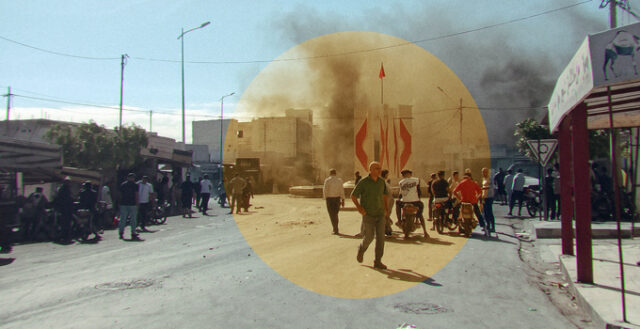
فُجع سكان مدينة جبنيانة من ولاية صفاقس، يوم الأربعاء 21 أكتوبر 2026 ، بوفاة الشاب عون الصالحي، البالغ من العمر 24 سنة، عقب مطاردة بوليسية كان خلالها على متن دراجة نارية، ما خلّف غضبا عارما في أوساط عائلته وأصدقائه وأبناء الجهة. غضب سرعان ما تحوّل إلى مواجهات عنيفة مع قوات حفظ النظام، استُعمل خلالها الغاز المسيل للدموع بكثافة لتفريق الشباب الغاضب. غضب لم يكن وليد اللحظة بل يختزل تراكم سنوات وعقود من عقاب السلطة لمعتمدية ولاّدة للمناضلات والمناضلين والنشطاء السياسيين والنقابيين.