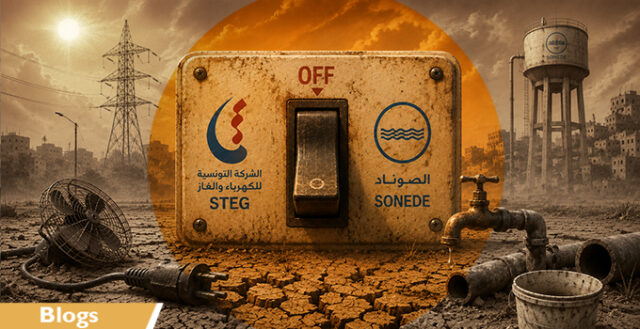
In Tunisia, the lights going out are no longer a temporary inconvenience but a visible symptom of failed governance. Rolling power cuts and water shortages are not just the result of extreme heat or aging infrastructure; they reflect years of underinvestment, distorted energy policies, and a political system that separated democratic procedure from material delivery. Tunisians traded freedom for the promise of decisive leadership and got neither. As electricity and water become privatized survival tools—tanks and generators for those who can afford them—inequality deepens. What has never been tried is a democracy answerable for both the vote and the tap, for freedom and the lights staying on.