Conceived as a model to help society’s most vulnerable groups—including women, Tunisia’s law on social and solidarity economy has, in fact, had the opposite effect.
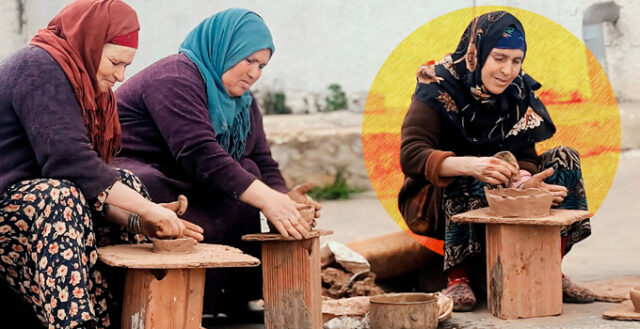
Conceived as a model to help society’s most vulnerable groups—including women, Tunisia’s law on social and solidarity economy has, in fact, had the opposite effect.

The general lockdown imposed in Tunisia during the first wave of Covid-19 had disastrous consequences for the most disadvantaged segments of the population. A new study published by the Tunisian Forum for Economic and Social Rights (FTDES) examines the situation of women farm laborers, cleaning ladies in hospitals, construction workers as well as waiters at cafés, restaurants and bars. Employees already in precarious situations in Tunisia have become more vulnerable than ever.
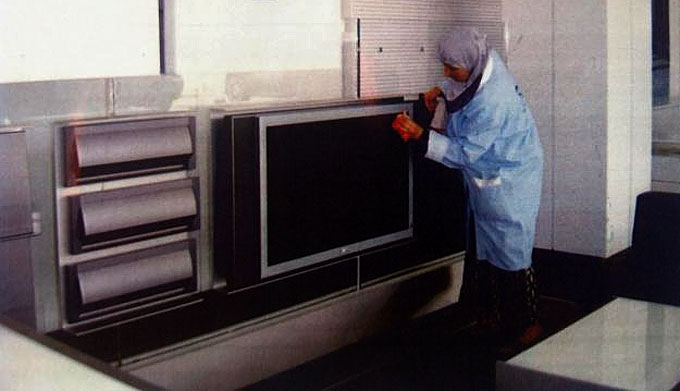
It’s the story of a mother with sad eyes, who speaks to you with her hand clenched to her chest, and of her daughter Rachida, twenty-nine, who has now been behind bars for three years. Rachida, employed at the age of 15 as a live-in housekeeper at one of the Trabelsi family dwellings.
