Crise économique 3

When Democracy Goes Dark, So Does Everything Else: Tunisia’s  Electricity & Water Crisis

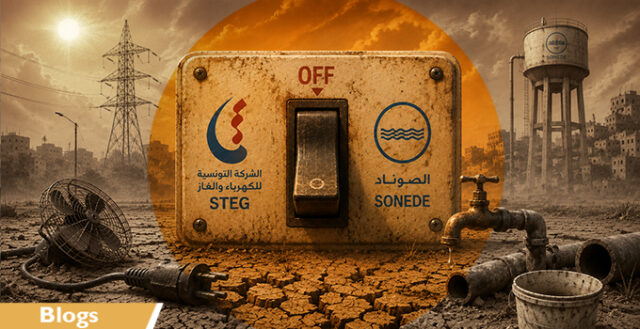
In Tunisia, the lights going out are no longer a temporary inconvenience but a visible symptom of failed governance. Rolling power cuts and water shortages are not just the result of extreme heat or aging infrastructure; they reflect years of underinvestment, distorted energy policies, and a political system that separated democratic procedure from material delivery. Tunisians traded freedom for the promise of decisive leadership and got neither. As electricity and water become privatized survival tools—tanks and generators for those who can afford them—inequality deepens. What has never been tried is a democracy answerable for both the vote and the tap, for freedom and the lights staying on.
The Medina of Tunis: back to business for the old city’s craftsmen and vendors?

Towards the beginning of the summer months, Tunisia’s Ministry of Tourism and sector operators announced their expectations for an improved tourist season. At the start of June, the National Tourism Office (ONTT) calculated the number of tourist arrivals for January through May 2017 to be nearly double (46.2%) that of the same period last year. Media reports on the ONTT’s numbers displayed a range of enthusiasm « It’s going much better! »—to reserved optimism—« Tourism is going (a little bit) better ». On the ground, Tunisia’s seaside hotels are mostly full, its beaches packed with locals and visitors from near and far. Air-conditioned restaurants and cafés are bustling. The shaded, winding passageways of Tunis’ Medina, a UNESCO World Heritage site, are also teeming with people. Does this mean that business is in full swing for the souk’s craftsmen and vendors?