Nearly five years into the democratic work in progress and in the immediate wake of a bomb explosion that killed 12 in the capital, demands for and promises of US support for the Arab Spring’s sole success appear increasingly tired and misguided.
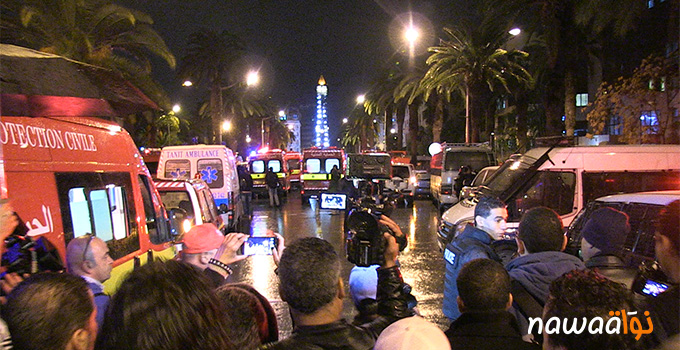
Nearly five years into the democratic work in progress and in the immediate wake of a bomb explosion that killed 12 in the capital, demands for and promises of US support for the Arab Spring’s sole success appear increasingly tired and misguided.

Land operator Faouzi Bellamine filed a complaint against the inhabitants of the village accusing them of having damaged his crop harvest. Chouigui inhabitants, on the other hand, accuse Bellamine of poor management and of having betrayed promises to provide employment. The affair recalls other conflicts between farmers and private investors stemming from their management of State-owned lands.

Everybody knows that post-revolutionary Tunisian underground hiphop is cool. Until I got my bars together for the song that will ignite my status as a bonafide citizen of Bizerte’s North side Rapdom, I was set on doing the next coolest thing which is write about underground rap for Nawaat.

Representatives of Tunisian farmers’ unions have insisted on agriculture’s currently vital and potentially stabilizing role for the economy. Filled with data and trend analyses, a recent report by the Food and Agriculture Organization of the United Nations contradicts this observation, identifying the “relatively low” and even “falling” importance of agriculture in the national economy while pointing out that it has nonetheless buffered the blow of economic crisis and may represent a “missing link” in fighting high youth unemployment.

Every other November, the Medina in Tunis is transformed into Dream City. In preparation for this year’s edition November 4 – 8, artists and residents have collaborated over the past several months to infuse the public space with contemporary art.

Following the publication of an ICTJ report on Tunisia’s Truth and Dignity Commission, Impunity Watch has presented the initial findings of a collaborative research project on victim participation in the transitional justice process. Amidst observations, analyses, and recommendations that have been presented by national and international actors in the field, the study represents the “most rigorous effort” thus far to evaluate victims’ perceptions of and roles in the undertaking of transitional justice in Tunisia.

Among the dilemmas Tunisia has been suffering is financial corruption which destroyed economy, burdened the people, widened the gap -under dictatorship- between the Haves and the Have-nots and accelerated the revolt against the mafia and the symbols of corruption in the country. The slogans of the revolution included promoting equitable development, establishing justice to the oppressed and putting the thieves on trial. Five years have passed since the dictator –Zine Al-Abidine Ben Ali- fled the country(January 14, 2011), yet the politicians’s viewpoints concerning the corruption dossier are still split: a sharp debate over the economic reconciliation bill, submitted by the President Beji Caied Essebsi (March 20, 2015) and consented by the Council of Ministers (July 14, 2015), took place.

The Tunisian constitution of 2014 enshrines (via Article 24) the protection of privacy at home and in the domains of communications correspondence and personal data. The text itself conforms with European case law, but what about current legislation, its application, and its impact on Tunisians?
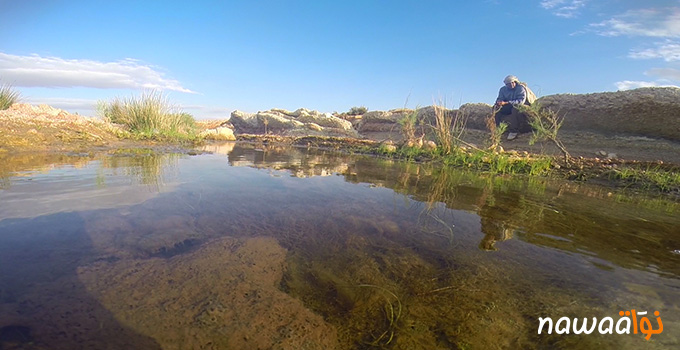
Built in 2012, the Meknassi waste water treatment plant in Sidi Bouzid has yet to commence operations, stalled by a disagreement concerning the trajectory of treated waste water. The proposal by the National Sanitation Bureau (ONAS) to transfer treated waste water into Oued Elben is contested by locals, who fear for the future of the ecosystem in a valley known for its rich biodiversity.
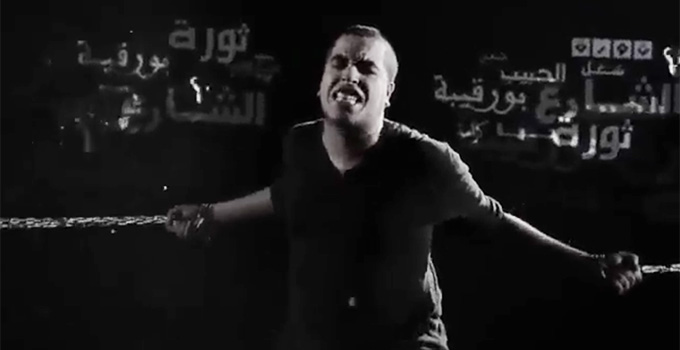
Brought to appear before the investigative judge in Bab Bnet (Tunis) at 8:30 on the morning of October 21, Klay BBJ and two friends are met by a crowd of a hundred or so indignant supporters. Shortly after 10:00am, the three young men are acquitted.
Tunisia’s decision to undertake its own transitional justice process, largely encouraged and supported by the international community, was formalized nearly two years after the departure of long-time president Zine El-Abedine Ben Ali. How the country’s path to reconciliation will be measured in a global context and how its work will impact Tunisians remains very much uncertain. In the meantime, the growing library of precedent cases offers lessons and examples for Tunisia’s truth-seeking body as it works to carry out its mission in the face of political, structural, and strategic challenges.

On October 9, 2015, the Nobel Prize Committee announced the Tunisian Quartet as the winner of the Nobel Peace Prize and the associated award, the equivalent of 972 thousand US dollars. The Quartet will receive the prize in the Norwegian capital of Oslo on December 10, 2015.
Amidst the flurry of headlines and articles to have surfaced since yesterday’s announcement, reports indicate a range of reactions, from unabashed praise to skepticism. On the #NobelPeacePrize Twitter feed, the more skeptical and tactfully sarcastic comments posted by Tunisian netizens certainly constitute the more colorful—and necessarily critical—category of responses to the Nobel Peace Prize designation for 2015.
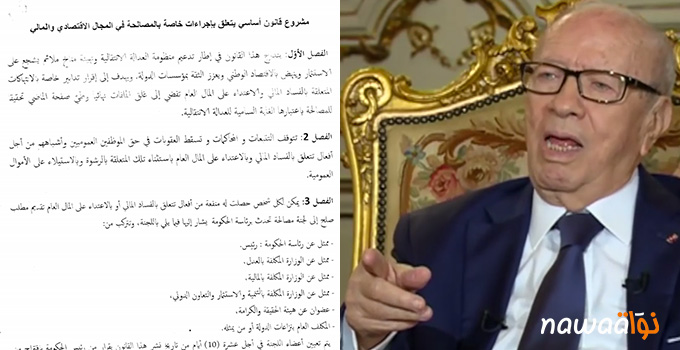
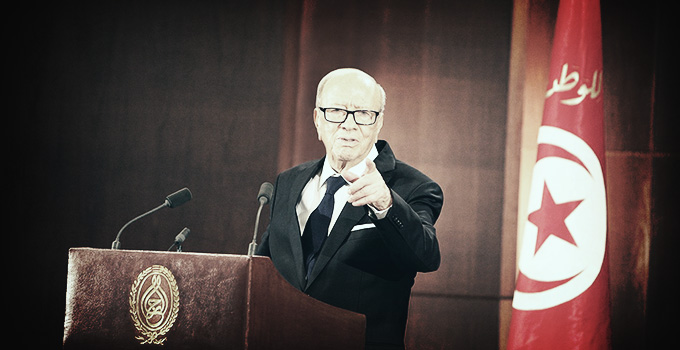
Even in the discourse of the world’s greatest advocates of free-market economic growth, one is hard pressed to identify substantial economic merit associated with draft law 49/2015. Indeed, the President’s incorrigible faith in reconciliation as key for economic growth appears less founded in a comprehensive economic strategy than a political one.
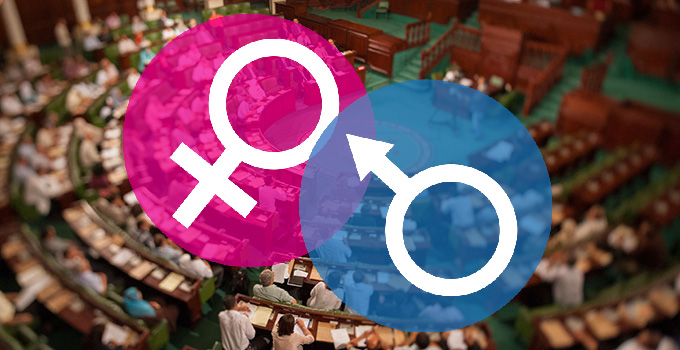
Every time I attend what seems to be a sophisticated intellectual social event and mention unresolved women issues and the need for a feminist revolution in Tunisia, it backfires on me with what I view as inconsiderate prejudices. Some educated members of civil society think that what Tunisian women have accomplished today is more than enough and that demanding any more rights might lead to turning women into better citizens than men. If this is the case with educated individuals, imagine how it is with those in remote and marginalized areas.

In Tunisia, it is not the banks that finance the economy…It is the economy that finances the banks. This is what we call a dysfunctional system that will lead to a crisis sooner or later.

On the surface, the counterterrorism law of 25 July 2015 appears to introduce innovative measures to address crimes associated with new technologies. A number of these provisions, however, contain flaws including vague definitions, the privilege of immunity granted to investigators, threats to fundamental rights to privacy and access to information, and the exclusion of the National Authority for the Protection of Personal Information from the special commission in the fight against terrorism.

If important steps have been taken to improve management and optimize exploitation of State-owned agricultural lands and alleviate the debts of tenants who lease these properties, adopted measures are yet limited and incomplete … Working at the very heart of a sector upon which depends the country’s food security and, to a certain extent, the economy, Tunisian farmers have yet to gain substantial financial backing, adequate legal support, and due political recognition. Moving onward from a year of climatic fluctuations and political violence which have had devastating effects upon the sector, government officials and decision-makers will do well to recognize and invest in agriculture as the base from which sovereignty, security, and stability can grow.
